



What Is Tempering, and When Do Engineers Need It?
On Monday, October 26, an NPI engineer called us about quenched steel pins for a test fixture. Two had snapped in assembly. His first question was about tempering.
Tempering is the controlled reheat that follows quenching. You reheat hardened steel to a moderate temperature, hold it there, and then cool it. The part gives up a little hardness and gains the toughness that keeps it from cracking in service.
The reheat that makes hardened steel usable
I hear versions of that phone call every month. Quenching gets all the attention because it makes steel hard. Tempering is the quieter step that makes hardened steel usable. It is also the step most often left off a purchase order. In this guide, I will answer the questions engineers actually ask us. What does tempering change inside the metal? How is it different from annealing and stress relieving? Why do quenched parts crack without it? And where does aluminum fit, since it follows a different thermal path entirely?
What does tempering actually do to hardened steel?
Quenching is a violent event. It drags red-hot steel through oil, water or gas. Carbon has no time to diffuse. It gets locked into a distorted, supersaturated structure called martensite.
Martensite is what makes quenched steel hard, and it is also what makes it fragile. Tempering reheats that structure to a moderate temperature so trapped carbon can settle out as fine carbides. Stress drops. Hardness drops slightly. Toughness climbs sharply. The structure becomes stable instead of waiting to fail.
The trade is deliberate and tunable
Dive deeper, because the mechanism matters when you read a drawing. Fresh martensite is a crystal lattice stretched by trapped carbon atoms. Every region of the part also carries residual stress from the quench itself: the surface cooled fast, the core cooled slow, and the two layers argue with each other forever. Tempering gives the atoms enough thermal energy to rearrange. Carbon leaves the lattice and forms microscopic carbides. The stretched lattice relaxes. Microscopic cracks that started during the quench stop growing.
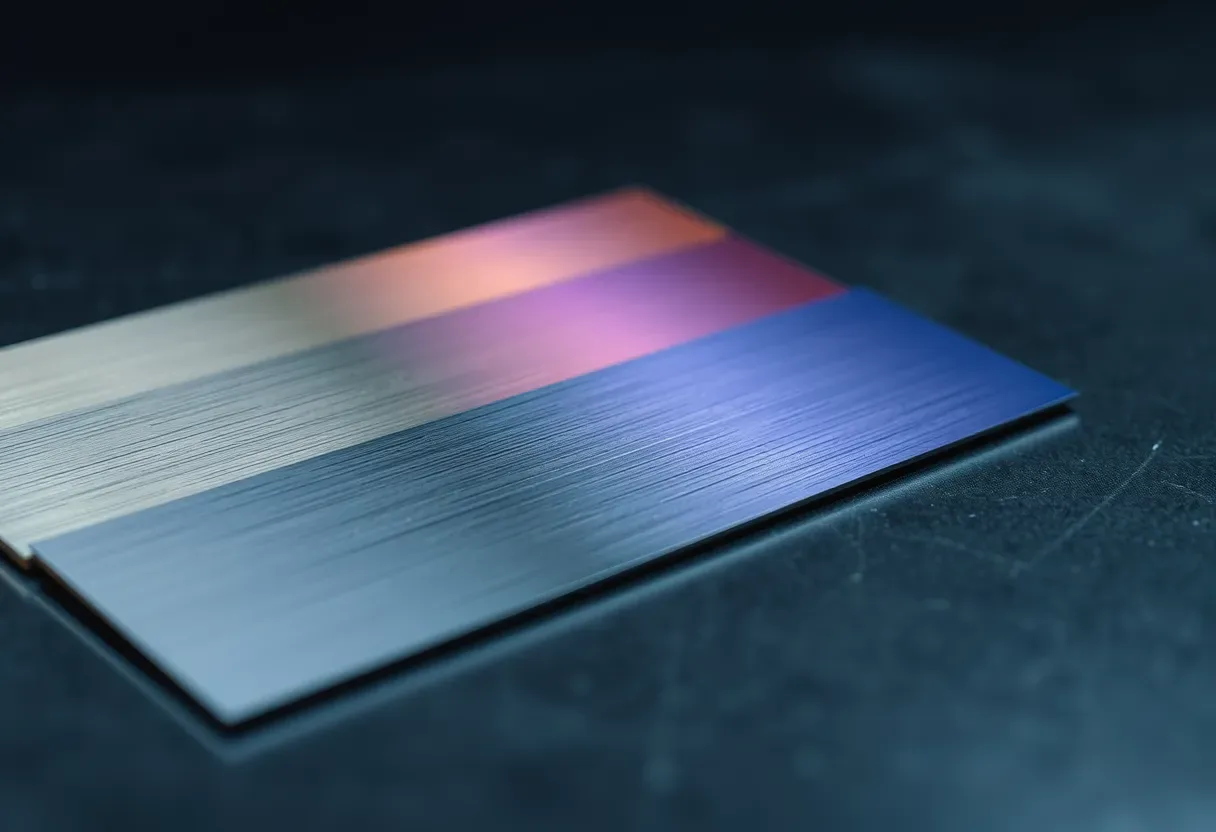
The trade is deliberate and tunable. More tempering heat means more toughness and less hardness. Less heat keeps the hardness but leaves the brittleness. Heat treaters describe the result with tempering curves: hardness on one axis, toughness on the other, temperature as the dial between them. General steel practice runs from low tempers around 150–250 °C, which mostly relieve stress and keep cutting hardness, up to high tempers around 500–650 °C, which maximize toughness for parts that see impact. Some alloy steels have a toughness dip in the middle range, which is one more reason the exact temperature and time belong to the grade's own data sheet and to the heat treatment definitions published by ASTM International. (Why this link: the standard definitions of tempering and related processes, useful when you write purchase specifications.) Multiple temper cycles are also normal practice for high-hardness tooling. The rule I give every team: the quench sets the ceiling, the temper sets the character.
How is tempering different from annealing and stress relieving?
The three terms get mixed up on drawings constantly. I see it weekly in quoting. They may share the same furnace. They do completely different jobs.
Annealing softens metal all the way through so it can be machined or formed. Stress relieving removes internal stress while hardness stays about the same. Tempering re-toughens steel that was already hardened by quenching. Tempering never runs first, because nothing exists to temper until the part is quenched.
Here is the comparison table I sketch on whiteboards, written as general industry practice rather than a spec for any grade.
Process comparison
Annealing, normalizing, stress relieving, tempering. General industry practice — not a spec for any grade.
| Feature | Capability |
|---|---|
| Before machining | |
| Full annealing | Before machining, on soft stock · full soften, coarse structure, slow furnace cool · restores machinability after forging or prior hardening |
| Normalizing | Before machining, on rolled or forged stock · refines grain, air cool · evens out structure so machining responds predictably |
| After rough work | |
| Stress relieving | After rough machining or welding · internal stress drops, hardness roughly unchanged · keeps tight features from moving during finishing |
| After quenching | |
| Tempering | Always after quenching · hardness down slightly, toughness up strongly · makes a hardened part safe to load |
- General industry practice for plain and alloy steels — the exact temperature and time belong to the grade's own data sheet.
Two distinctions save the most arguments. First, tempering applies to hardened steel. If nobody quenched the part, the correct word for your relaxation problem is stress relieving. Second, the goal differs. Annealing chases softness. Tempering chases the hardness-toughness balance point that the drawing's hardness callout implies. When we review drawings for CNC machining quotes, mixed-up heat-treat notes are among the first things we question, because the callout drives both the machining sequence and the final inspection plan.
Why do quenched parts crack without a temper?
As-quenched martensite is a loaded spring. Some high-carbon steels can sit on a bench and crack on their own, hours after the quench. Metallurgists call it delayed cracking.
Quenching leaves high tensile stress at the surface with a brittle structure underneath. Add a sharp internal corner or a press fit, and the part can fail before any real load is applied. A proper temper relaxes the stress and toughens the structure, which closes both failure paths at once.
The vocabulary on the drawing implies an order of operations
A typical hardened-steel workflow reads: rough machine soft stock, stress relieve so the geometry settles, harden by quench, temper to the callout, then finish the critical surfaces by grinding. Each line assumes the one before it. If your note says only "hardened to spec" with no temper mentioned, ask whether the heat treater is expected to temper by default or whether the step got dropped from the revision. Purchasing documents that name the full sequence get better parts back, because every supplier downstream knows which state the material should be in when it reaches them.
The pins from Monday's call failed exactly this way
The physics is unforgiving. The quench freezes enormous stress into the part: compression and tension balanced against each other across sections that cooled at different rates. Fresh martensite has almost no tolerance for that. It cannot deform locally to blunt a crack tip, so a small defect grows instead of stopping. Geometry decides whether the defect exists at all. Sharp internal corners, thin webs between heavy bosses, and deep broached splines all raise the risk. So does aggressive grinding after hardening.
The pins from Monday's call failed exactly this way. The paperwork said quench, and the hardness number looked right on the certificate. Nobody had ordered the temper. The parts left the heat treater at full as-quenched hardness, sat overnight, and two of them found enough stress concentration in a press fit to let go. One temper cycle would very likely have saved the batch. This is why our CNC machining DFM review treats an untempered hardness callout as a red flag to resolve before metal is cut. It is also worth remembering for other processes: sintered metal injection molding parts receive their own thermal treatments after sintering, and 3D-printed metal parts carry quench-like residual stress from the build itself, so the same question always applies — what thermal step stabilizes this part, and who runs it?

Does aluminum get tempered, or does aging take its place?
Aluminum never forms martensite, so steel-style tempering does not apply to it. The vocabulary, however, borrows the word.
Aluminum alloys use temper designations instead of a tempering treatment. The common T6 condition means solution treated and then artificially aged. Strength grows from fine precipitates, not from a quench-formed structure. Same furnace family as tempering, different physics underneath.
For aluminum, "temper" names the thermal condition the alloy is in, not a reheat of a hardened part. Designations such as T4 and T6 tell you the combination of solution treatment, quench and aging that produced the strength. Aging itself is the interesting step: the alloy is held at a moderate temperature so precipitates nucleate and grow, and those precipitates block dislocations, which is where the strength comes from. Time and temperature are tuned per alloy family, and the result is repeatable enough that T6 appears on countless drawings as a simple note.
The thermal path our own platform actually runs
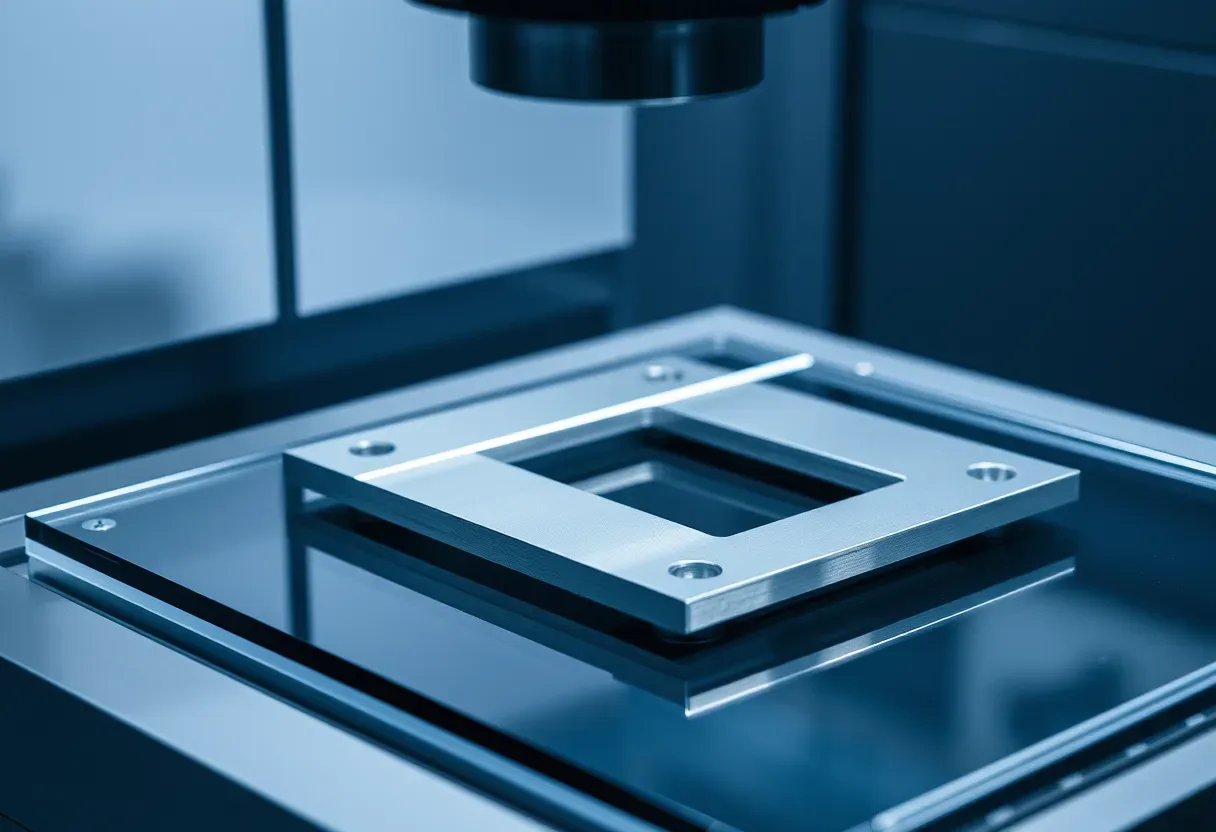
That is the thermal path our own platform actually runs. Our in-house heat treatment is vacuum solution treatment and aging for aluminum parts — the furnace work behind T6-style conditions on machined aluminum and rapid-tooled components. Vacuum matters here: it protects the surface while the thermal work happens, which pairs well with parts that go straight into an assembly. It is also the honest boundary of this article: steel tempering is a specialist discipline we respect from the knowledge side, and we route it to dedicated heat treaters rather than improvising it in-house. If a drawing carries a temper designation you cannot trace, ask for the material cert and read the condition line against it. The designation is a promise about thermal history, and it is checkable, the same way a dimension is.
Conclusion
Tempering is a small reheat with a big payoff: less brittleness after quenching. Read your drawing's heat-treat notes closely. Match the process to the material. Then confirm who runs it.
About Arterki
Arterki is an engineering-grade manufacturing platform in Beijing. We build prototypes and low-volume batches with CNC machining, industrial SLA and SLS printing, rapid aluminum-tool injection molding and MIM pilot runs. In-house heat treatment covers vacuum solution treatment and aging for aluminum parts. Every part ships 100% inspected, with the inspection report in the box. Send us your drawing and get an engineering-reviewed quote within 24 hours.

Send us your drawing.
Get an engineering-reviewed quote within 24 hours — DFM feedback included, and an inspection report with every part that follows.
One-stop prototype & low-volume build · Inspection report with every part · Quote in 24 h