



Machined Polycarbonate (PC): Tough, Transparent CNC Parts
Polycarbonate is the plastic you pick when a part has to be transparent and survive impact in the same life. We machine PC on the same 3- and 5-axis platforms as our metals — and every shipment carries a dimensional inspection report against the dimensions you mark critical.
Quick answer: Arterki CNC machines polycarbonate to ±0.05 mm standard tolerance (±0.02 mm on request, metrology-confirmed), in prototype and low-volume quantities. Lead time is confirmed at quotation, with an inspection report in every box; quotes come back within 24 hours.
PC at Arterki: Machined in-house on 3- and 5-axis milling with turn-mill for small features. ±0.05 mm standard. Quotes within 24 hours, inspection report with every shipment.
What is machined polycarbonate used for?
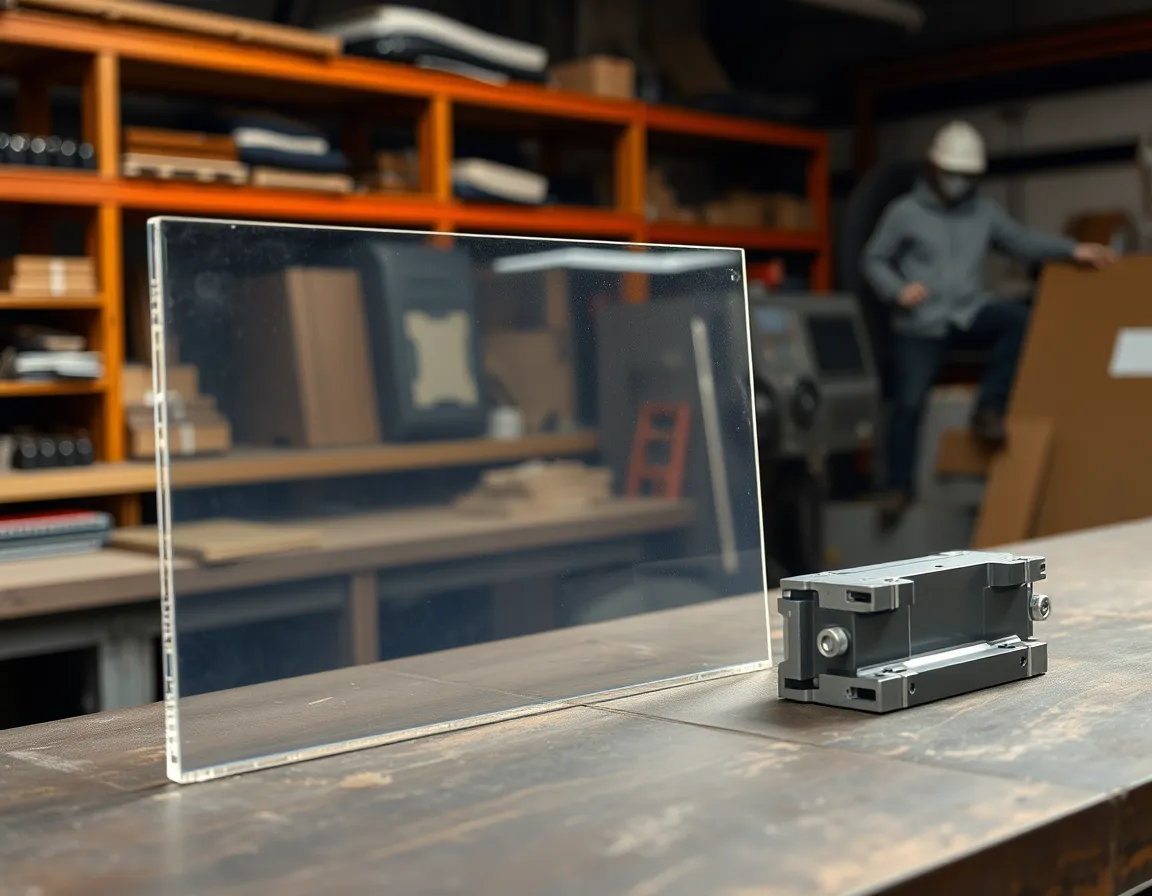
Impact resistance plus transparency is a narrow club, and PC holds the seat. On our floor, machined PC shows up as safety guards and machine windows, sensor and camera housings, transparent structural brackets, electrical insulators and carrier plates, and low-volume lens prototypes where optical-grade polish is not yet the requirement.
The pattern behind those applications: a transparent metal-substitute. Where acrylic would crack and a metal cover would hide the mechanism, PC lets the design show the moving part while shrugging off the dropped wrench. It also insulates and holds dimensional shape across a useful temperature range, which is why electronics teams keep it on the short list for test fixtures.
For opaque housings without impact demands, machined ABS machines faster and costs less per part — the comparison section below draws that line with numbers that matter.
For a feel of the workflow: a typical recent pattern is a team that validated a mechanism in printed parts, then needs twenty clear cover plates that clamp over a moving sensor assembly for a demo unit. The printed replica was translucent but flexed; machined PC in 3 mm plate holds the seal face flat, survives the assembly screws, and lets the customer see the mechanism during the pitch — one drawing, one quote, parts on the bench inside the week with the report confirming the seal flatness that mattered. That is the everyday job of machined PC on our floor: the transparent structural part that keeps a program moving while the molded version waits for volume.
How does PC machine on CNC platforms?
PC is a friendly milling material with a small set of habits that decide whether a batch comes out clean:
Chip control and heat. PC softens under tool heat; sharp, positive-rake tooling with generous air or coolant keeps edges from gumming. Climb milling gives the cleanest faces on sheet stock.
Internal stress. Extruded PC sheet carries residual stress that can show as crazing near machined features or after solvent contact. For tight parts we plan roughing passes that let stress relax before finish passes.
Holding force. Vacuum and soft jaws, not crushing vise pressure — PC marks and cold-flows under point load.
Tolerances. The material is stable enough that the ±0.05 mm class comes from the machine, not the polymer; ±0.02 mm on specific features is confirmed at quotation with metrology.
Turn-mill covers small internal threads and bearing fits in one setup. The CNC machining service page lists the full material range PC sits in.
Design notes for PC parts
A short list that removes most of the DFM email exchange on PC drawings:
Radii over inside corners. PC tolerates stress concentrators better than acrylic, but a 0.5 mm radius still beats a sharp pocket corner on any load-bearing wall.
Wall sanity. Thin unsupported walls flex and can chatter in finishing; 1.5 mm and up machines predictably.
Hole spacing. Keep tapped holes away from edges by at least one diameter; PC flows material around point loads less than metals do.
Scratch expectations. As-machined PC is transparent but carries tool marks; where optics matter, specify the critical faces and we quote the finishing route with the part.
Joining. Mechanical fastening and bonding both work; ultrasonic welding is a molded-part process, so prototype assemblies should plan screws, snap geometry or adhesives.
PC compared with other transparent or engineering options
| Feature | Capability |
|---|---|
| Machined PC | Impact-tough, transparent, dimensionally steady · Tool marks on faces; cost above ABS · CNC, in-house |
| Machined PMMA/acrylic | Best optical clarity, rigid · Brittle under impact · CNC, in-house |
| Machined ABS | Cheapest common housing plastic, fast · Opaque; lower temperature ceiling · CNC + FDM routes |
| PEEK | Extreme temperature and chemical range · Premium cost; opaque · High-temperature FDM line |
| Molded PC | Unit cost at volume · Tooling and MOQ commit · Injection grades confirmed at quotation |
The rule of thumb our engineers use: choose PC when the part must see through and survive; choose acrylic when it must only be seen through; move to molded PC once volumes justify tooling.
Frequently asked questions
Can you hold ±0.05 mm on PC parts? Yes — that is our standard tolerance class on machined PC, with tighter feature-level limits confirmed at quotation and measured on the inspection report that ships with the parts.
Can PC parts be polished optically clear? As-machined faces are transparent with visible tool marks. Progressive polishing to optical clarity is quoted per part based on the critical faces you mark — send the drawing and we price the finish route with the machining.
When does PC move from machining to molding? When annual volume supports tooling and the design has stopped moving. Machined PC covers the iteration phase; molded PC grades are confirmed at quotation once the geometry locks.
Machining parameters and what to expect
| Feature | Capability |
|---|---|
| Tolerance class | ±0.05 mm standard · ±0.02 mm feature-level, metrology-confirmed |
| Surface finish | Tooled transparent faces · Polish route quoted for optical faces |
| Sheet vs plate stock | Both machined · Stress-relieved cuts on thin sheet |
| Typical lead time | Confirmed at quotation · Quoted per order with DFM feedback |
Does PC scratch easily in handling? Softer than acrylic and far softer than glass — shipping protection and assembly sequence are worth a line on the drawing for cosmetic faces; we plan packaging around marked surfaces.
Can you machine PC lens arrays and light pipes? Yes, within machinable geometry: arrays and faceted pipes cut on the 5-axis platform, with polish quoted on the faces that carry light. DFM feedback flags facets where tool marks would scatter. Can you machine PC together with metal inserts in one assembly? Yes — press and heat-set inserts install after machining; the DFM reply flags the bores that deserve them, and the report measures the insert seats so the assembly stacks the way the model says.

Get a quote for machined PC parts
Send a STEP file or 2D drawing with quantities and the dimensions you consider critical. An engineer replies within 24 hours with DFM feedback, the tolerance plan we will inspect to, and both machining routes priced where they apply.
One-stop prototype & low-volume build · Inspection report with every part · Quote in 24 h